Premium Solar PV Panels From Delta Energy Solutions
Scotland has gained attention for its renewable energy ambitions, making households take notice of solar PV panels Scotland wide. Solar PV panels are becoming an increasingly familiar sight across the rooftops and fields of Glasgow, Ayrshire, and the wider west coast, boosting energy efficiency and helping to reduce each household’s carbon footprint. If you’re curious about how this technology works and what options exist, here’s a practical look at how solar PV systems are transforming local energy production. Delta Energy Solutions, as one of the leading installers in the region, provides valuable insight into the process, products, and benefits for both urban and rural properties.
What are Solar PV Panels?
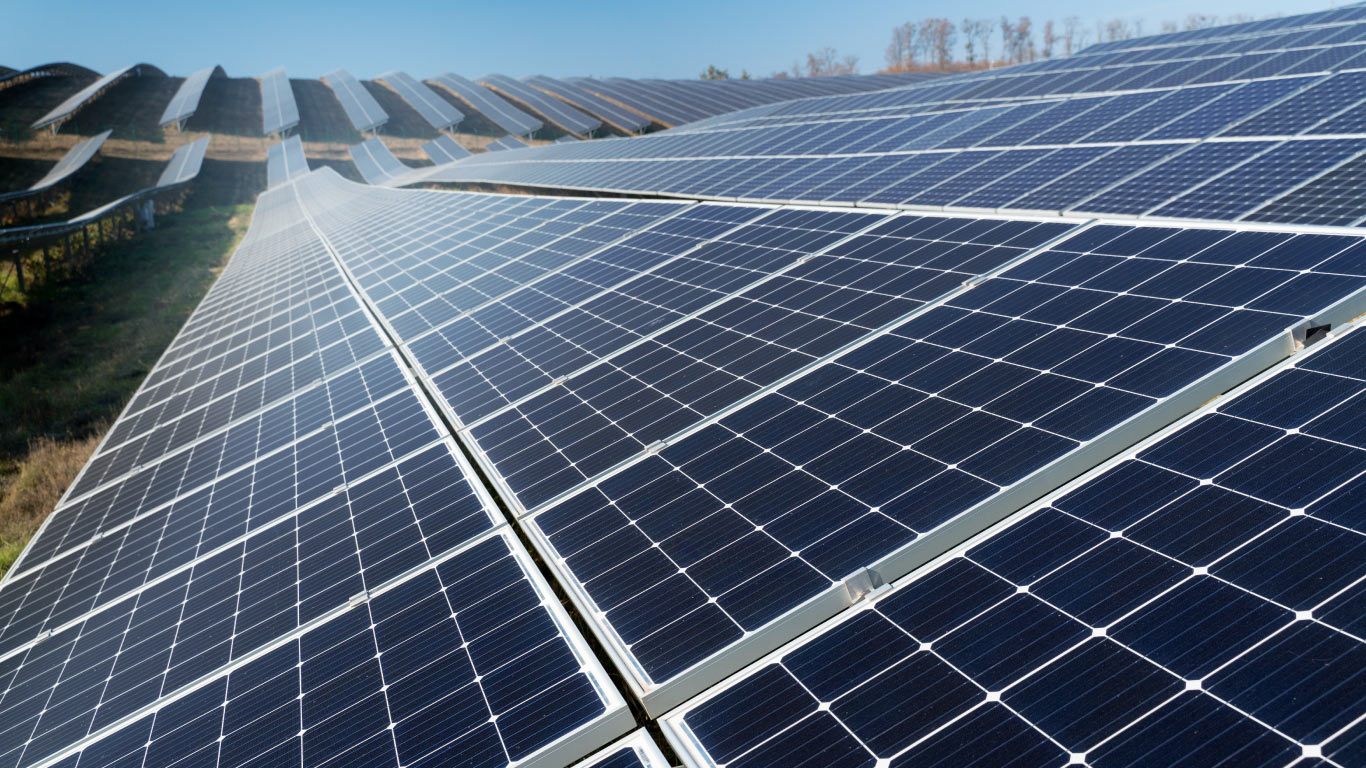
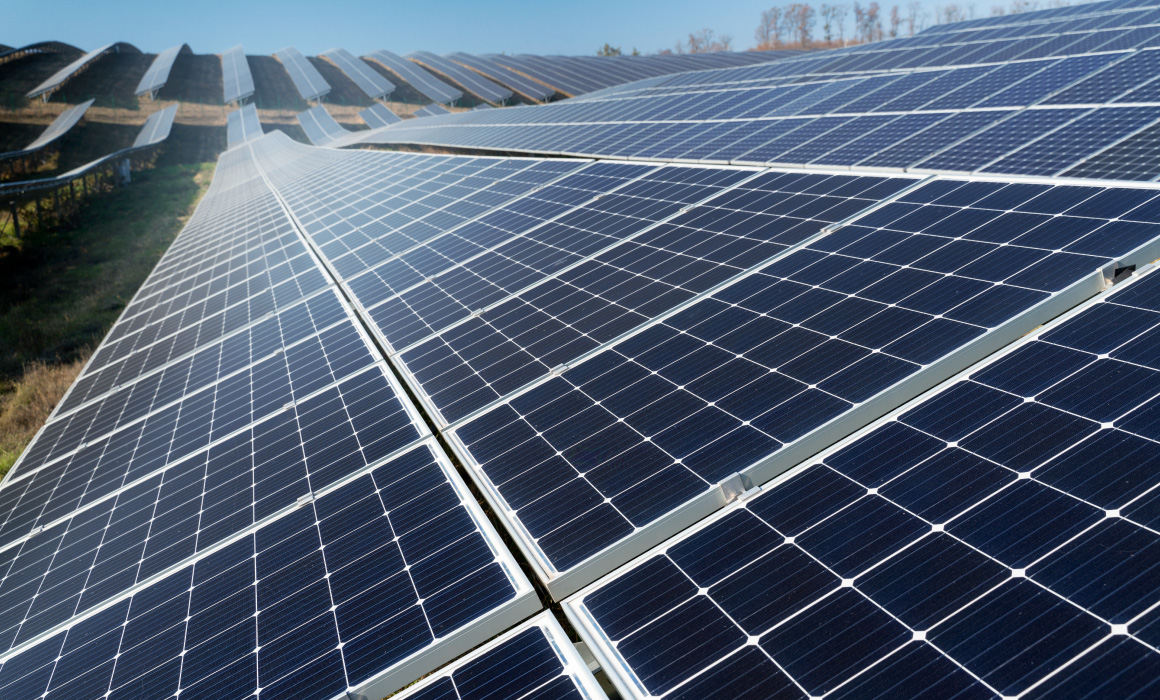
Photovoltaic (PV) panels use semiconductor materials to convert sunlight directly into electricity, serving as a crucial component in harnessing renewable energy. Whether the day is bright or overcast, these panels can generate electricity for homes and businesses, helping to reduce electricity bills and lower reliance on the grid. Solar PV is distinct from solar thermal panels, which are used solely to heat water. With PV technology, you can power lights, appliances, and even charge electric vehicles.
People often think Scotland’s weather isn’t suited for solar panels, but modern systems, supported by initiatives like Warmer Homes Scotland, are efficient enough to make use of diffused sunlight. Contrary to old assumptions, even cloudy days in Glasgow and Ayrshire contribute to annual solar yields sufficient for significant savings.
Key Components of a Solar PV System
The solar panels themselves are just one piece of the puzzle, and the incorporation of a solar diverter can further optimize their efficiency. Here are the main elements involved:
- Solar PV panels: The visible module that sits on the roof or ground mount, converting sunlight into direct current (DC) electricity.
- Inverter: Turns the DC electricity from panels into alternating current (AC) for home use.
- Mounting system: Safely fixes the panels in place, either on roofs or on ground frames.
- Generation meter: Tracks electricity produced for regulatory and monitoring purposes.
- Battery storage (optional): Stores excess electricity for use later when the sun isn’t shining.
Delta Energy Solutions sources Tier 1 solar panels and quality inverters from reputable manufacturers, helping ensure long-term performance and warranty support for all installations.
Roof-Mounted Solar PV: Suitability and Setup
Most solar PV systems in urban places like Glasgow are installed on roofs. This allows property owners to use otherwise unused space without taking up ground area. Pitched and flat roofs can both accommodate PV panels, provided they are structurally sound and not heavily shaded.
Advantages include:
- Utilises existing structure
- Minimal ground disruption
- Often requires little planning permission (as a permitted development in many cases)
- Utilises south-facing roofs, but east and west orientations can still be effective
Table: Rooftop vs Ground Mount Systems
Rooftop solar PV systems are installed directly on existing roof structures, making efficient use of available space without impacting your property’s footprint. They tend to blend in with the building, offering a discreet and tidy appearance. However, accessing rooftop panels for cleaning or repairs can be more challenging. Their elevated position usually means less risk of shading, and in many cases, installation is straightforward with minimal planning requirements.
Ground-mounted PV systems, on the other hand, are installed on open land, requiring a dedicated plot. This makes them more visible but allows for optimal panel orientation and tilt, which can improve energy generation. Maintenance is simpler due to easy access, but these systems can be affected by shading from nearby trees or buildings. Additionally, ground-mounted installations often need extra planning permissions or approvals, which can add to project timelines.
Ground-Mounted Solar PV: When Land Makes Sense
In Ayrshire’s rural settings or on the outskirts of towns, ground-mounted solar PV is an increasingly popular option promoted by initiatives like Warmer Homes Scotland. Farms or properties with substantial land can use these mounting systems to achieve larger installations, often exceeding what could reasonably fit on a roof.
Benefits of installing solar panels include a reduced carbon footprint and improved energy efficiency:
- Tailored orientation and tilt for maximum energy yield
- Accessible for easy cleaning and maintenance
- Scalable for bigger projects needing higher renewable energy output
Delta Energy Solutions works with land surveys and planning authorities to ensure ground-mount solar panels systems blend into the landscape and adhere to regulations.
How Mounting Systems Work
Secure installation and durability depend on quality mounting equipment. Roof mounts usually consist of rails fixed into the roof beams, supporting the panels above roof slates or tiles. Flat roof systems may use ballasted frames so as not to penetrate waterproof membranes.
On the ground, metal frameworks are anchored into soil or set in concrete footings. Adjustable frames can optimise the angle towards the sun, which is especially useful for solar pv panels in Scotland’s latitude. All installations require careful consideration of wind and weather forces, particularly along the west coast’s exposed locations.
Key Points for Scottish Weather
Solar panels do not need direct sunlight to function efficiently. They work off daylight, which means that the panels still produce electricity even on overcast days, though output is less than in full sun. Rain actually helps wash panels clean, preventing dirt from blocking out light.
Delta Energy Solutions recommends periodic inspections and cleaning, especially after exteme weather or the autumn leaf fall, which is common in wooded areas of Ayrshire and the west.
Battery Storage and Grid Export
One of the major advances in recent years has been affordable battery storage. This allows homeowners to retain more of their solar generation, reducing export to the grid, utilising a solar diverter, and increasing self-consumption — particularly useful when energy prices spike in the evenings.
Many systems in Glasgow, Ayrshire, and further along the Clyde now include battery options. Where properties are occupied during the day, or where energy usage aligns with generation, payback times can be shortened.
Panels can still export surplus power to the grid, potentially generating income through smart export tariffs. Delta Energy Solutions assists with setting up export arrangements and paperwork with energy suppliers.
Planning Permission and Grid Connection
Most domestic solar installations do not require planning permission. However, certain listed properties or areas with conservation restrictions, such as parts of Glasgow’s west end, will need more careful assessment. Ground-mounted systems are more likely to be subject to planning approval, especially if the installation is large or visible from public roads.
Delta Energy Solutions manages these consent processes and ensures safe grid connection through coordination with local Distribution Network Operators, highlighting the importance of proper funding and grants to manage these steps.
Financial Incentives and Returns
Households can lower energy bills and reduce their carbon footprint at the same time see short term returns on long term investments.
Current benefits for homeowners include:
- Lower energy bills from solar panels and solar self-consumption
- Income from Smart Export Guarantee (SEG) tariffs for surplus energy
- Reduced carbon footprint, emissions, and improved sustainability
Costs and System Sizes
Prices for installed solar PV systems have come down significantly over the past decade. A typical 4kW domestic installation – suitable for an average household – sits at around £5,000 to £7,000, depending on roof complexity and panel choice. Larger or ground-mounted systems on farms or business premises can range up to tens of kilowatts and beyond.
Delta Energy Solutions provides detailed quotations after carrying out site surveys, ensuring each proposal is tailored for energy needs, available space, and budget.
Maintenance and Longevity
Solar panels require very little ongoing maintenance. Occasional visual inspections and cleaning are usually enough. The main inverter may need replacing after 10–15 years, but panels themselves often carry 25-year warranties.
Delta Energy Solutions offers ongoing servicing plans, which can identify and address any minor issues before they impact system output.
Who Should Consider Solar PV in Glasgow, Ayrshire, and the West Coast?
There’s a misconception that only rural homes or brand new developments benefit from solar. In reality, almost any property with a suitable roof or a small plot of land can consider solar PV. Some ideal candidates include:
- Homeowners with south, east, or west-facing roof slopes
- Farms or rural homes with extra land
- Businesses and schools with high daytime electricity use
- Landlords seeking to improve building energy ratings
Solar Panels FAQ’s
Do solar panels work during winter?
Yes, output is lower in the winter owing to shorter days and lower sun angles, but panels still generate electricity whenever there’s daylight.
Will solar panels damage my roof?
When installed by professionals like Delta Energy Solutions, roof integrity is maintained with appropriate flashing and waterproofing around mount points.
Why Choose Delta Energy Solutions?
With a reputation built across Glasgow, Ayrshire, and west coast communities, Delta Energy Solutions brings extensive experience in both domestic and commercial solar PV installation. The company combines local knowledge with specialist expertise in site surveying, planning, regulatory compliance, and quality aftercare.